
The 97% Problem: Why Traffic Rarely Equals Revenue
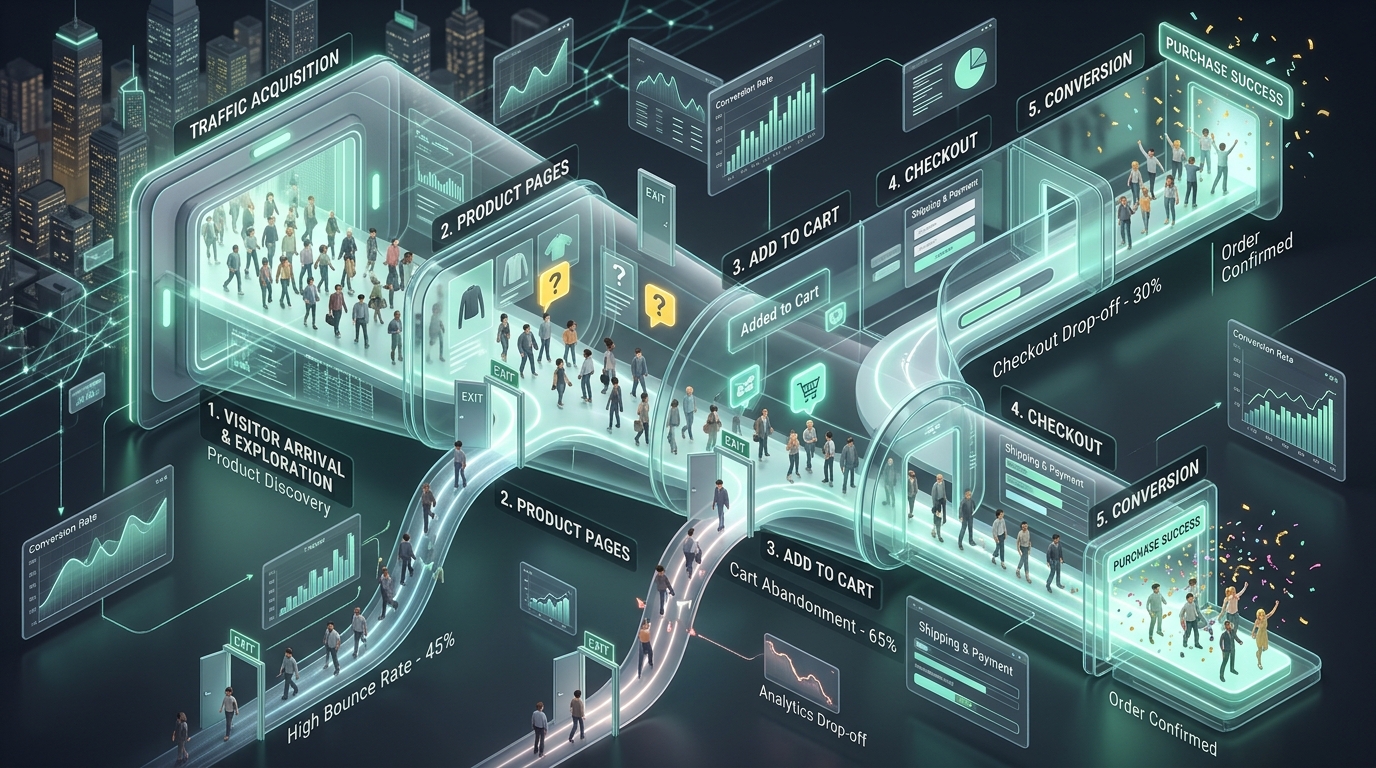
In digital marketing, traffic is often treated as the ultimate victory. Dashboards celebrate spikes in Google search impressions, Meta ad click-throughs, and viral referral links. Yet behind those vanity metrics lies an uncomfortable truth: across nearly every industry, between 95% and 98% of website visitors leave without buying, subscribing, or submitting a lead.
When high-intent prospects arrive on your site, they have already demonstrated curiosity. They clicked your link because your promise resonated. If they bounce seconds later, it is rarely because your product is fundamentally flawed or your price is too high. Instead, the failure almost always traces back to unaddressed psychological friction inside the browsing experience.
Core Principle: Conversion Rate Optimization (CRO) is not about manipulating people into buying things they do not want. It is about removing the artificial barriers, confusion, and anxiety that prevent interested people from taking action.
The 5 Psychological Barriers That Trigger Instant Exits
To understand why visitors bounce, we must examine the subconscious questions running through a shopper's mind within their first few seconds on a page:
1. Cognitive Friction and The 5-Second Clarity Test
Human attention operates on an economy of energy. When a visitor lands on a webpage, their brain attempts to categorize the offer with minimal effort. If your hero section relies on abstract poetic taglines—such as "Empowering Synergistic Workflows for Tomorrow"—the visitor cannot immediately decipher what you sell. Within 5 seconds, mental fatigue sets in, and they press the back button.
2. The "Ad Scent" Disconnect
If an advertisement promises "Eco-friendly bamboo running shoes with free 2-day delivery," but the landing page opens with a generic banner stating "Summer Collection 2026," the continuity of expectation is broken. The user wonders whether they clicked the wrong link or if the promotional terms still apply. Any discrepancy between the incoming hook and the headline causes immediate bounce.
3. Decision Anxiety and Missing Reassurance Signals
Online commerce requires risk. Buyers worry about credit card fraud, receiving counterfeit items, hidden recurring billing traps, or tedious return policies. When a site fails to place trust signals—such as verified customer reviews, clear refund policies, and SSL credentials—directly beside the purchase trigger, buyers freeze.
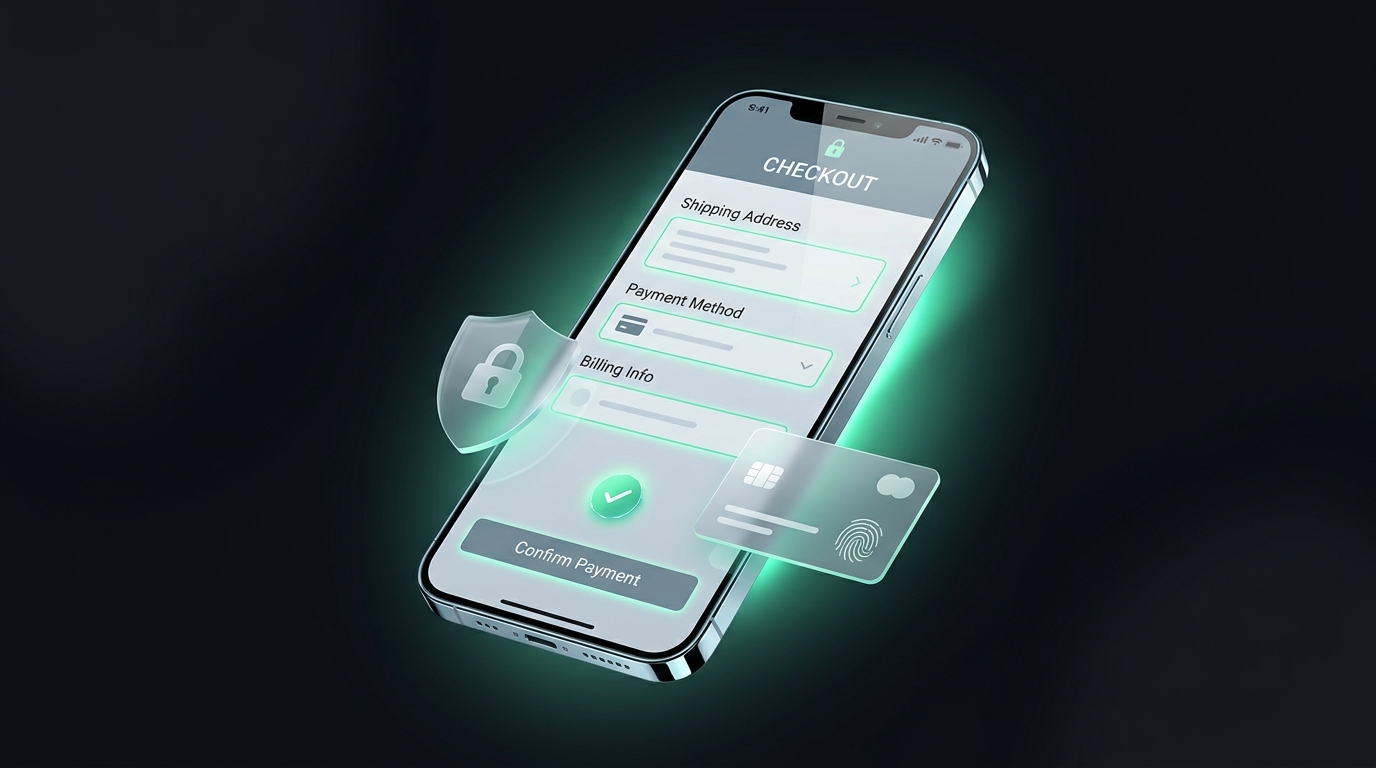
4. Unexpected Cost Shocks at Checkout
According to extensive consumer research by Baymard Institute, 48% of shoppers abandon carts because extra fees (shipping, taxes, handling surcharges) were too high or disclosed too late. Nothing erodes buyer trust faster than seeing a $50 purchase turn into a $72 invoice at the final payment step.
5. Choice Overload (The Paradox of Choice)
Psychologist Barry Schwartz demonstrated that presenting customers with too many choices decreases the likelihood of any purchase. When a software company displays six pricing tiers with forty feature checkmarks each, visitors suffer decision paralysis. Unable to determine the optimal choice, they resolve to "think about it later"—and never return.
Real-World Case Studies: Diagnosing Friction in the Wild
Let us look at two real-world scenarios demonstrating how identifying and resolving hidden friction unlocked substantial revenue gains:
Case Study A: How a DTC Footwear Brand Rescued $38,000/Month from Load Lag
A direct-to-consumer athletic footwear retailer ran heavy ad campaigns on Instagram and TikTok. While desktop conversion was steady at 2.8%, mobile conversion hovered at a disappointing 0.85%. Analytics revealed that over 60% of mobile visitors bounced within 4 seconds.
A deep audit showed that while the textual headline loaded quickly, an uncompressed 8MB hero image gallery blocked the "Select Size" dropdown and "Add to Cart" button from rendering on 4G cellular connections for nearly 4.2 seconds. Mobile shoppers were tapping an unresponsive screen, assuming the site was broken, and leaving.
The Fix: The team implemented WebP image compression, deferred non-critical JavaScript, and made the sizing selector interactive within 700 milliseconds. Mobile conversion jumped from 0.85% to 1.95% over the following 30 days, unlocking over $38,000 in monthly sales without increasing their ad spend.
Case Study B: How a B2B SaaS Doubled Demo Requests by Halving Form Fields
A cloud infrastructure provider offered live product demonstrations. To request a demo, prospective enterprise clients were forced to fill out a 9-field form: First Name, Last Name, Work Email, Phone Number, Company Name, Job Title, Annual Cloud Spend, Current Hosting Provider, and Expected Implementation Timeline.
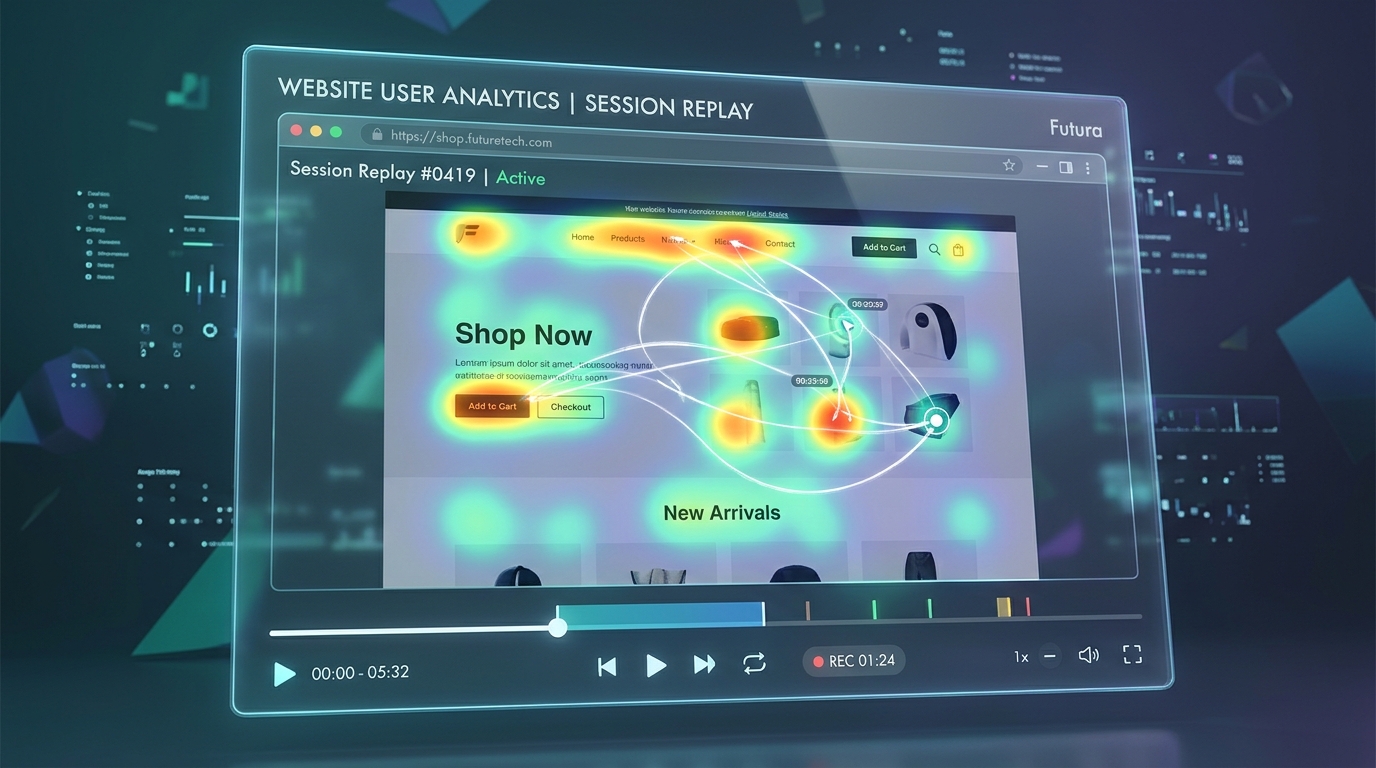
Form abandonment was sitting at 78%. Heatmaps showed visitors enthusiastically reading the product features, clicking "Request Demo," pausing at the form, and abandoning.
The Fix: The growth team split the process into two stages. The initial form asked for just two fields: Work Email and Company Name. Once submitted, the confirmation screen gave the user an option to schedule directly via a calendar widget or answer 3 optional qualification questions. Total completed demo bookings increased by 84%, while the quality of sales calls remained identical.
Visitor Drop-Off Audit Matrix: Symptoms vs Root Causes vs Fixes
| Observed Drop-Off Symptom | Primary Psychological Root Cause | Quantified Benchmark Impact | High-Impact Tactical Remedy |
|---|---|---|---|
| 70%+ bounce rate within 5 seconds of arrival | Cognitive confusion / Vague headline copy | Loss of 60–80% of paid ad budget | Rewrite hero section with explicit "What, Who, Benefit" formula. |
| High engagement on product, drop-off on cart add | Pricing ambiguity / Missing shipping timeline | 20–35% drop in product-to-cart rate | Display estimated delivery dates and transparent return policies above the fold. |
| Cart abandonment spikes at payment step | Payment anxiety / Surprise fees / Forced signup | Average 69.9% ecommerce loss | Offer 1-click Apple Pay/Google Pay and default to guest checkout. |
| High pricing page dwell time, zero clicks | Choice paralysis across plan tiers | 15–25% reduction in trial starts | Add a "Recommended for You" badge and collapse complex feature tables into tabs. |
The 5-Step Friction Eradication Playbook
To eliminate leaks in your conversion funnel systematically, follow this five-step operational routine:
- Run the Stranger Test: Show your homepage or landing page to three people outside your industry for five seconds. Ask them: "What does this company sell, and why should anyone care?" If they hesitate or guess incorrectly, your headline needs immediate clarification.
- Audit Your Mobile Experience on 4G: Turn off Wi-Fi on your smartphone, load your highest-traffic sales page, and try completing a checkout. Note any element that stutters, shifts layout, or requires zooming.
- Eliminate Every Non-Essential Form Field: Review your lead generation and checkout forms with your team. Every field that does not actively prevent fraud or allow immediate delivery should be removed or deferred to post-purchase onboarding.
- Place Reassurance Beside Every Primary Button: Position key trust seals, guarantee highlights, and concise customer proof directly adjacent to your primary call-to-action buttons.
- Clarify All Ancillary Costs Upfront: Display shipping thresholds, delivery speed, and return terms clearly on product pages so customers never experience sticker shock at the final payment screen.
Key Takeaways for Marketing Leaders
Doubling your revenue does not require doubling your traffic budget. In fact, driving more traffic into a leaky funnel only magnifies acquisition waste. By methodically diagnosing where visitor friction occurs—whether through load delays, cognitive ambiguity, or checkout hesitation—you create an intuitive, frictionless buying journey that naturally compounds your returns.
Conclusion: Focus on Friction Removal, Not Just Traffic Volume
In the relentless pursuit of online growth, it is easy to assume that more traffic is always the answer. However, pouring expensive clicks into a funnel plagued by cognitive ambiguity, surprise checkout costs, and missing trust signals is like pouring water into a sieve.
The highest-leverage investment any marketing or product team can make is systematically diagnosing and eliminating the micro-frictions that cause high-intent buyers to bounce. When you respect your visitor's time, communicate your value proposition with radical clarity within their first five seconds, and remove the obstacles preventing them from purchasing, your conversion rate naturally rises—compounding the return on every marketing dollar you invest.